Why the Mortar and Pestle Remains a Kitchen Staple
An exploration of the mortar and pestle’s enduring appeal, its material diversity, and how the tool mirrors the focused depth found in single‑ingredient cookbooks.
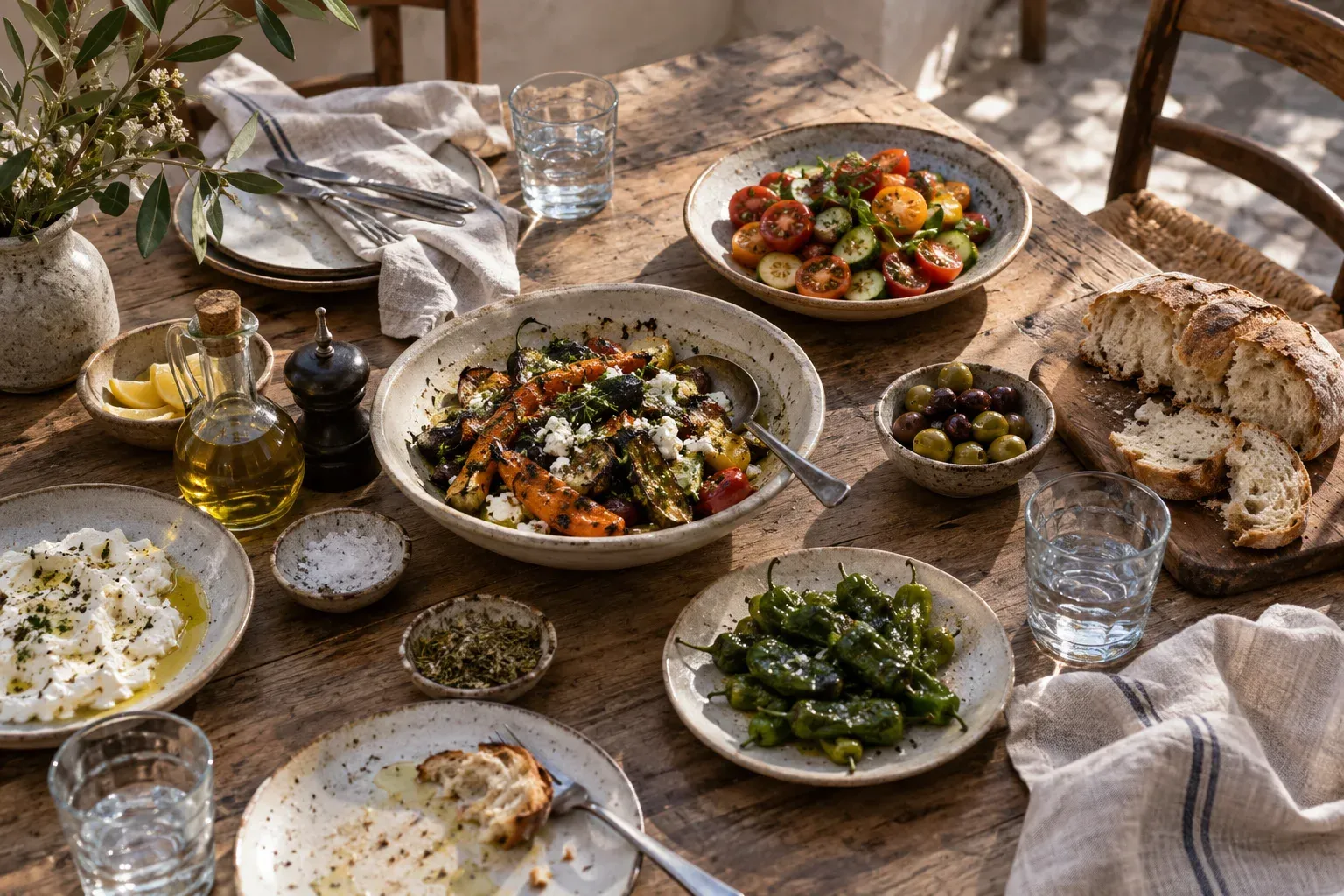
The mortar and pestle has resurfaced time and again as cooks seek a tactile, analog connection with their ingredients. In a world saturated with flashy gadgets, this modest pair of vessels offers a "visceral, lo‑fi nature" that invites hands‑on interaction, a quality that modern appliances simply cannot emulate. Its endurance is evident across centuries, from prehistoric Southwest Asian users to contemporary home chefs who value the embodied wisdom of grinding by hand. The tool’s resurgence is not merely nostalgic; it reflects a broader culinary desire for sensory involvement, where the act of crushing and pounding becomes part of the cooking ritual itself. By returning to this ancient technology, today’s cooks reclaim a direct line to flavor development, echoing the same hands‑on ethos that makes single‑ingredient cookbooks compelling.
At its core, the mortar and pestle relies on a simple yet effective mechanism: a pestle "instrument (the pestle) to grind spices, herbs, and other aromatics" within a bowl-shaped mortar. This manual grinding creates texture and releases essential oils in a way that electric grinders often miss, delivering a nuanced depth of flavor. The tactile pressure applied by the pestle allows cooks to control the coarseness of the grind, adjusting from a rough crush for robust spices to a fine paste for delicate herbs. Because the process is entirely hands‑driven, subtle variations in pressure and motion can be felt and refined, offering a level of nuance that machines, which operate at constant speed, struggle to replicate. The result is a more expressive seasoning that carries the imprint of the cook’s own rhythm.
The mortar and pestle’s versatility is further highlighted by its wide array of sizes, styles, and materials—ranging from granite and clay to brass and volcanic stone. Each material contributes a distinct feel: granite provides a heavy, sturdy base that resists wear, while volcanic stone offers a porous surface that can enhance the release of aromatic compounds. Clay mortars, often glazed, lend a smoother interior for delicate herbs, whereas brass versions add a cool, metallic touch that some chefs prefer for certain spice blends. Moreover, the tool’s dimensions can vary dramatically, from petite handheld models ideal for a pinch of seasoning to massive "middle Eastern jeren" units weighing up to 100 pounds for large‑batch preparations. This diversity lets cooks select the exact combination that matches their culinary style and the texture they wish to achieve.
Across the globe the mortar and pestle appears in distinct cultural guises, each rooted in centuries of local practice. In Mexico the volcanic‑stone molcajete has been a staple for roughly eight thousand years, its rugged bowl and pestle designed for grinding chilies, herbs and masa. Japan’s suribachi, recognizable by its ridged interior, arrived via Chinese traders in the 11th century and remains the go‑to vessel for preparing everything from miso to sesame pastes. On the island of Papua New Guinea, early‑20th‑century dap‑daps were long, thin tools commonly employed to crush betel nuts, illustrating how the same basic principle adapts to regional ingredients and techniques. These variants share a common purpose – a simple, hand‑driven instrument that transforms whole aromatics into usable flavors – while reflecting the material and historical contexts of their homelands.
The focused intimacy of a single tool mirrors the editorial approach of single‑ingredient cookbooks, which, although often concise, plunge deeply into their chosen subject. As noted in a recent culinary survey, "books like this aren’t always long, they typically go deep," a description that fits both a slim volume on onions and a compact guide to olives. Just as a mortar and pestle isolates the act of grinding to extract nuance from spices, a one‑ingredient book isolates a food item, tracing its history, cultural significance, and culinary possibilities in a concentrated format. This parallel underscores how depth can be achieved without breadth, whether the medium is a handheld stone or a tightly focused manuscript.
When selecting a mortar and pestle for a modern kitchen, consider material, size and ergonomics to honor the tool’s tactile heritage while meeting contemporary needs. Granite offers durability and weight that steadies the bowl during vigorous grinding, while volcanic stone provides a textured surface ideal for releasing oils from herbs. Clay and brass options add visual flair and may suit lighter tasks such as bruising leafy aromatics. Size matters: a smaller, handheld set fits neatly on a countertop for quick spice prep, whereas a larger, super‑size jeren can weigh up to 100 pounds and serves well for batch‑size sauces or marinades. Look for features like a spout for easy transfer of ground material and a non‑slip base—often silicone‑coated—to keep the vessel steady. By matching material and scale to the intended culinary workload, cooks can preserve the hands‑on experience that has kept the mortar and pestle indispensable for millennia.
Sources
The Mortar and Pestle Is the Timeless Kitchen Tool You Need · October 31, 2026
5 Cookbooks That Go Deep on a Single Ingredient · October 31, 2026